As organizations navigate continued technological advancement, flexible workplace demands, and increasing sustainability goals, design is responding with greater intentionality.
We have gathered insights from our diverse interior architecture and workplace design leaders across the Americas to introduce our top 6 design trend predictions for 2026. They illuminate how design should be used as a strategic tool to support emotional security and physical wellbeing of users and surrounding communities, while customizing unique environments to reflect organizational values and identity. This forecast highlights a move beyond aesthetics focusing on craft, nature, mind, community, meaning and adaptability as the drivers of design this year.
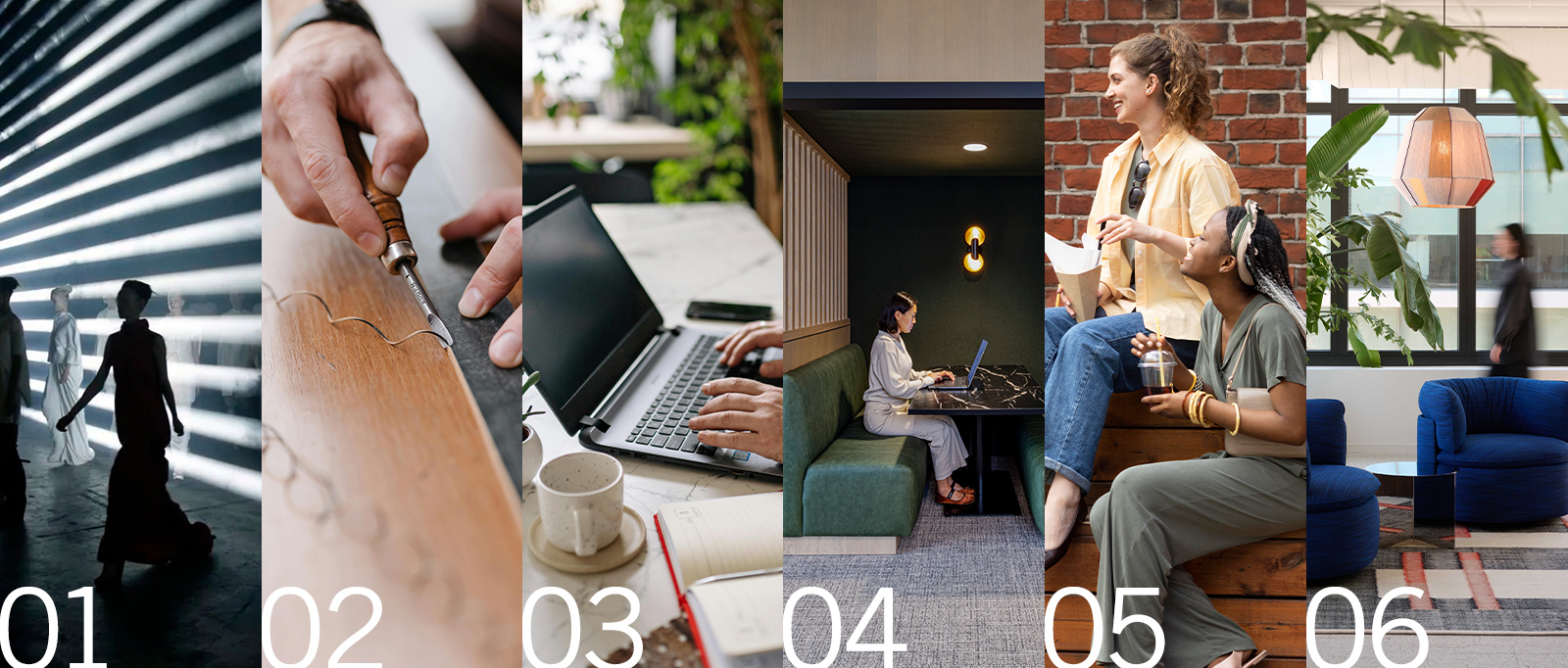
01 Experiential Design
Designing an experience centered around memorable and meaningful moments.
Experiential Design (EXD) is a multidisciplinary approach that spans all types of built environments. It draws on architecture, interior design, digital media, art, psychology, neuroscience and storytelling to create spaces that feel original and are deeply human-centered. Unlike traditional design, which often focuses on objects or aesthetics, EXD emphasizes immersive, interactive experiences that evoke emotion and foster engagement.
Its purpose is to craft memorable journeys for users by creating spaces that resonate on both a sensory and emotional level. Over the past decade, EXD has evolved significantly, gaining traction as organizations seek to differentiate their environments. In 2026, EXD will become more accessible to corporations eager to celebrate their brand and story through unique design elements.
This trend prioritizes designing interactions over static objects, curating spaces that feel dynamic and transformative. By blending art, psychology and technology, EXD engages in all senses, creating environments that capture attention in an era of constant distraction. Applications range from placemaking and exhibition design to entertainment, marketing and wellness-focused environments—each leveraging storytelling to create identity-rich, meaningful spaces.
At its core, EXD positions designers as narrators, translating client goals into cohesive stories expressed through layout, finishes, light, and color. Every element contributes to a unified narrative, ensuring spaces are not only functional but unforgettable.
Why it matters:
- Human-Centered: Supports emotional wellbeing and authentic connections.
- Engagement: Creates immersive experiences that capture attention.
- Storytelling: Builds identity-rich environments with meaning and purpose.
- Adaptability: Responds to evolving user needs and technology.
- Memorability: Turns spaces into journeys, not just destinations.
“Nowadays, technology blurs borders and brings global experiences closer than ever. Experiential design has become essential to creating meaningful places. It transforms the built environment into something memorable and emotionally resonant. Experiential design focuses on evoking feelings—curiosity, joy, wonder—that connect people to a space long after they leave. It turns environments into lasting experiences, shaping how we remember the places that inspire us in an increasingly interconnected world.” – Mili Del Castillo | Director, Interior Design – Los Angeles
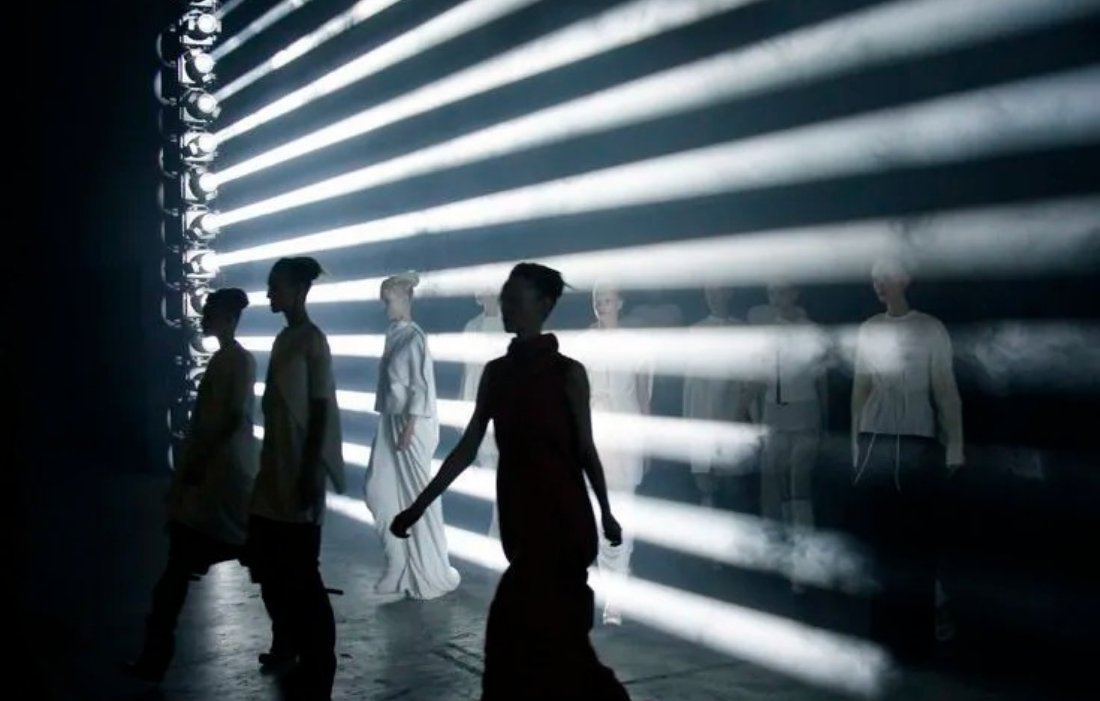
02 Handcrafted: The Bespoke Revival
Crafting connection through artisanal elements.
As technology accelerates and spaces become increasingly formulaic, a countertrend is emerging: the incorporation of handcrafted, artisanal elements in commercial interiors. In a world that is progressively feeling less authentic and overstimulating, designers and clients are seeking ways to restore balance and meaning through materials, art, techniques and one-of-a-kind pieces that tell their story.
The integration of craftsmanship like Venetian plaster walls, hand-woven/knotted textiles, custom metalwork, and hand-thrown ceramics enhance the depth of a story a space wants to tell. These elements are not just aesthetic choices; they can represent a commitment to quality, sustainability and regional connection. These elements transform spaces into placemaking narratives, giving brands a distinctive identity that connects to authenticity.
Why it matters:
- Originality: Bespoke pieces create spaces that stand apart, giving brands a unique canvas for storytelling.
- Longevity & Sustainability: Crafted items have longevity, reduce carbon footprints and support responsible sourcing.
- Local Significance: Incorporating local trades honors cultural and regional heritage and strengthens community ties.
“In a world where everything feels increasingly automated, handcrafted elements remind us that a design is deeply human. They bring soul to spaces and create stories technology can’t replicate.” – Sally Unger | Director, Interior Design – Chicago
03 Beyond Biophilia
Restoring the natural equilibrium.
Creating natural balance is not achieved by a simple formula; it is a strategy that blends aesthetics, functionality and wellbeing. This approach integrates sensory comfort, biophilic principles, and design strategies to produce a high-functioning space that supports productivity and emotional health.
This human-centric and nature-based design reflects sensory comfort, adaptability and inclusivity. Balance in design is achieved through the thoughtful integration of natural materials, daylight, biophilic elements, ambient lighting, acoustic comfort, clean air and the incorporation of spaces for analogue retreat. The guiding question becomes: How can we create indoor environments that foster both productivity and restoration evoking the same sense of renewal one feels after time spent outdoors?
Why it matters:
- Material Selection: The layering of nature-based fractal designs throughout a space by using various scaled patterns through textiles, wall materials, and flooring introduces visual complexity that calms the nervous system and enhances focus. Viewing fractal patterns can reduce stress by up to 60% offering comfort and familiarity. (Smithsonian Magazine)
- Sustainability: Using eco-friendly materials, energy-efficient systems, and modular solutions minimizes waste and supports long-term adaptability, benefiting both the planet and life-cycle of a workplace.
- Connection to Nature: Biophilic design further strengthens the connection to nature by incorporating natural light, greenery, and organic textures, which invigorate creativity and clarity. Quiet zones, ergonomic layouts, and opportunities for movement encourage mindfulness and reduce burnout.
“Natural balance is the art of creating spaces where people and nature coexist. Harmonizing light, texture and form to nurture wellbeing, inspire creatively and sustain the planet.” – Amanda Kavanaugh | Director, Interior Architecture & Design – Vaughan, Ontario

04 Neuro-Responsive Design
Leveraging research to design with emotional intelligence.
We are moving beyond form and function to create spaces that actively improve mental and physical wellbeing. Neuro-responsive design explores how the built environment influences our brains, behaviors and wellbeing.
Designing with emotional intelligence begins by understanding the psychological needs of occupants. Through behavioral research and sensory analysis, we have uncovered what environmental factors foster security, inspiration and connection. These insights inform everything from the flow of circulation to the selection of materials and colorways that promote calm or creativity. A neuro-responsive space builds on the principles of good design; natural materials, daylight, biophilia, acoustic comfort, and more, but takes them a step further. Grounded in research, we now understand that there is a science to designing for human wellbeing. The ultimate key is inclusivity in these environments, offering choice and personalization, empowering individuals to shape their experience in ways that support both productivity and restoration.
These strategies are transformative tools. When environments are designed to nurture emotional wellbeing, people thrive, workplace cultures strengthen, and positive outlooks improve – all contributing to greater attraction and retention of employees. In today’s fast-paced world, emotionally intelligent design should not be viewed as a fleeting trend; it is a fundamental principle for creating spaces that truly enrich human life.
Why it matters:
- Inclusivity & Personalization: Incorporating elements that reflect human values and preferences for inclusive design show users a great amount of care. Providing various choices in workplace environments through different sensory experiences showcases how the design invests in the occupant. This tells a story that resonates with a brand or cultural identity to further foster the sense of belonging.
- Sensory Comfort: Designing to support acoustic comfort through sound absorbing materials and natural soundscapes, surfaces with varied textures for sensory engagement and aromatherapy integration can introduce multisensory elements to a space to engage users.
- Lighting is another crucial factor. As the main cue for the body clock, lighting affects circadian rhythms, alertness and relaxation. Dynamic lighting systems that mimic natural cycles, adjust color temperature and intensity, can boost productivity and keep the workspace attuned to occupants’ needs.
“Neuroarchitecture is both science and art – a vision where design transcends structure and becomes a living dialogue with the human mind. Designing with the mind in mind is the poetry of progress and the blueprint for a future where every space becomes a catalyst for growth and transformation.” – Jimena Fernandez Navarra | Director, Interior Architecture & Design – Mexico City
05 Connected Environments: Building for Community
Designing spaces to reflect culture, values and shared identity.
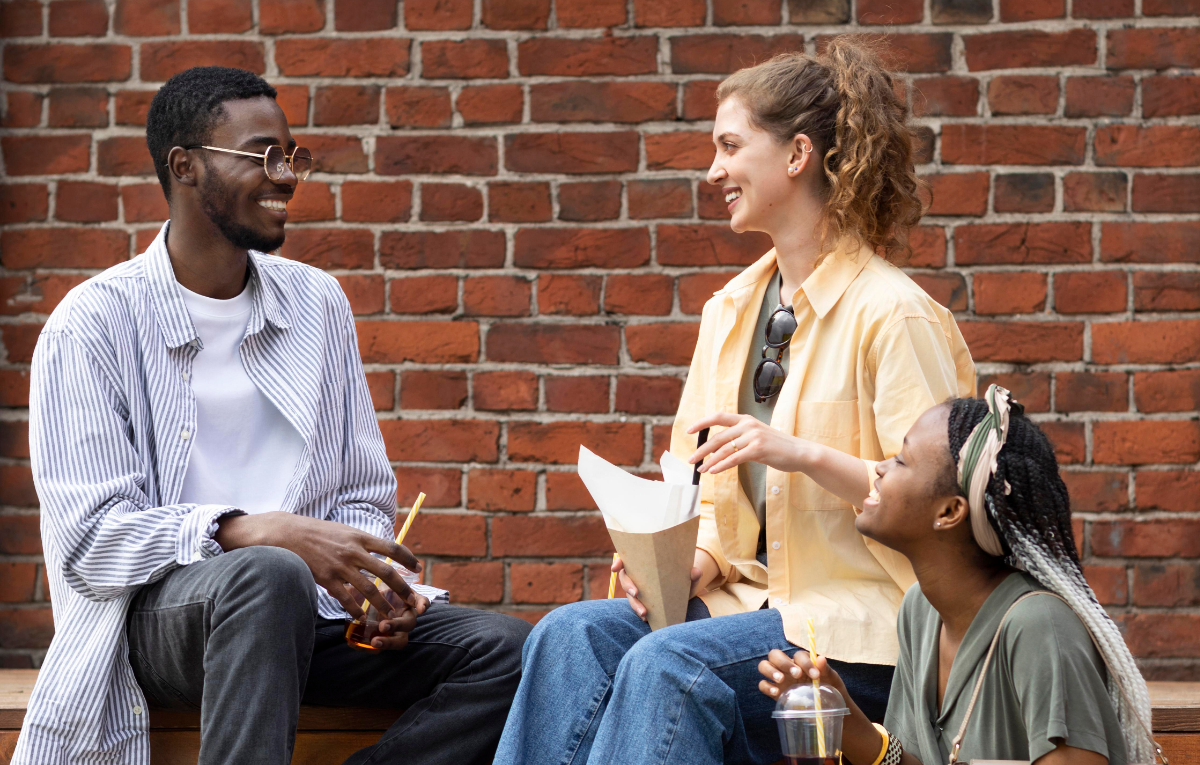
Connected environments start with intentional design. Crafting spaces that adapt to employee lifestyles, cultures and experiences to foster a sense of belonging and engagement. These spaces reflect organizational values and contribute to a more supportive environment for employees and the surrounding community.
Corporate work environments are evolving into cultural ecosystems that foster belonging, purpose and human connection. The workplace is no longer just a destination for tasks, it is a community hub where people gather to share ideas, celebrate diversity and engage with the broader world. The future workplace feels less like an office and more like a community-driven destination.
Connected environments are a response to the human need for community in an increasingly digital world.
Why it matters:
- Intentional Engagement: To counter the “Alone Together” phenomenon, design strategies focus on intentional engagement. Spaces are curated to encourage authentic interaction and strengthen interpersonal bonds and nurture a shared sense of identity.
- Meaningful Amenities: Amenities have shifted from perks to purposeful connectors. Wellness studios, maker spaces, and community galleries link individuals to shared passions and organizational values.
- Spatializing Culture: Through art, storytelling, and inclusive design, workplaces reflect the heart of a company within the local context of its community, turning the physical space into a living narrative. Community outreach such as hosting local events or partnering with neighborhood organizations extends this influence beyond the office walls, reinforcing design’s role as a connector and cultural anchor.
“By designing spaces that connect people to each other, to culture, to purpose and to their community, organizations create workplaces where collaboration thrives, creativity flourishes, and individuals feel truly at home.” – Adrienne Harbarger | Director, Interior Architecture & Design – Chicago
06 The Resurgence of Adaptive Reuse
Evolving space adaptability to support organizations and evolving communities.
Commercial interiors still are being reshaped by the long‑term realities of post‑COVID work patterns. Hybrid work has stabilized and is no longer viewed as a temporary model. Office policies are changing, and organizations are now being designed with the understanding that mobility, flexibility and choice are permanent expectations. As a result, companies are rethinking their real estate footprints and seeking spaces that are already pre‑built to quickly support these changes, but can be strategically customized to reflect their brand, culture and operational needs.
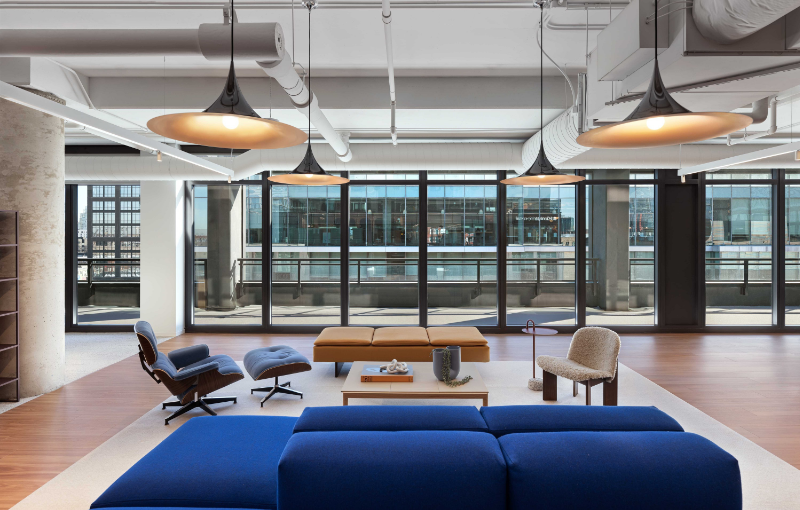
More clients are asking to merge adaptive reuse and workplace design. Many organizations no longer require the large headcounts or dense workstation neighborhoods that once defined their offices. Instead, they are gravitating toward existing spaces; whether former offices, retail shells, or civic structures that offer character, efficiency and the ability to support amenity‑driven workplace ecosystems. Designers are transforming these spaces by leveraging inherent architectural qualities exposed to structure, generous volumes, and historic materiality while layering modern elements that support hybrid collaboration and digital‑first workflows.
Deeper floor plates are being repurposed for flexible amenity zones, such as team hubs, wellness spaces and client experience suites. Perimeter areas, where daylight is strongest, are increasingly allocated for open collaboration, breakout moments, and lightly‑assigned work points rather than traditional desk rows. Even small upgrades to HVAC distribution, life‑safety improvements, lighting, and circulation modifications are being approached as opportunities to provide enhancements with a more minimal lift to existing built environments.
This trend signals a new era of commercial interiors: spaces that are quicker to occupy, easier to adapt, rooted in the past and fully aligned with the evolving demands of modern work.
Why it matters:
- Reflects stabilized hybrid work, supporting mobility and flexible occupancy patterns.
- Reduces capital costs by using fitted‑out pre-built (or move-in-ready) spaces that can be customized rather than fully rebuilt.
- Aligns with shifting headcounts and real estate strategies across industries.
- Preserves existing building character while delivering modern workplace performance.
- Revitalizes aging urban cores through strategic reuse and faster activation of underused buildings.
- Creates distinctive, branded environments without the long timelines of ground‑up full renovation or ground-up construction.
“The reason I’ve chosen to focus on interior design instead of architecture, is that I enjoy working within the constraint and possibilities of what a space has to offer, letting the space speak to its best use and form – giving new life to place.” – David Sheehan | Director, Interior Design – New York City
On the Horizon
Together these six interior design trends signal a year defined by balance. A balance of technology and craft, efficiency and experience, and permanence and flexibility. As organizations and communities continue to evolve, these trends provide a framework for creating spaces that are not only functional, but also purposeful and engaging with a welcomed return to craftsmanship.
At Ware Malcomb, our interior design professionals seek to translate these trends into tailored, high-performing environments that align with each unique client’s brand, culture and long-term business goals.